How to Build a Space-Ready Team
Space and deep-tech companies can have the opportunity, the technology, and a genuine route to growth, then stall because they cannot build the team needed to deliver it.
The specialist they need may be difficult to find or afford. The role may require a combination of skills and sector experience that very few people already have. At the same time, people with strong adjacent skills may have no structured route into the company, while smaller organisations rarely have the time or internal infrastructure to build that pathway alone.
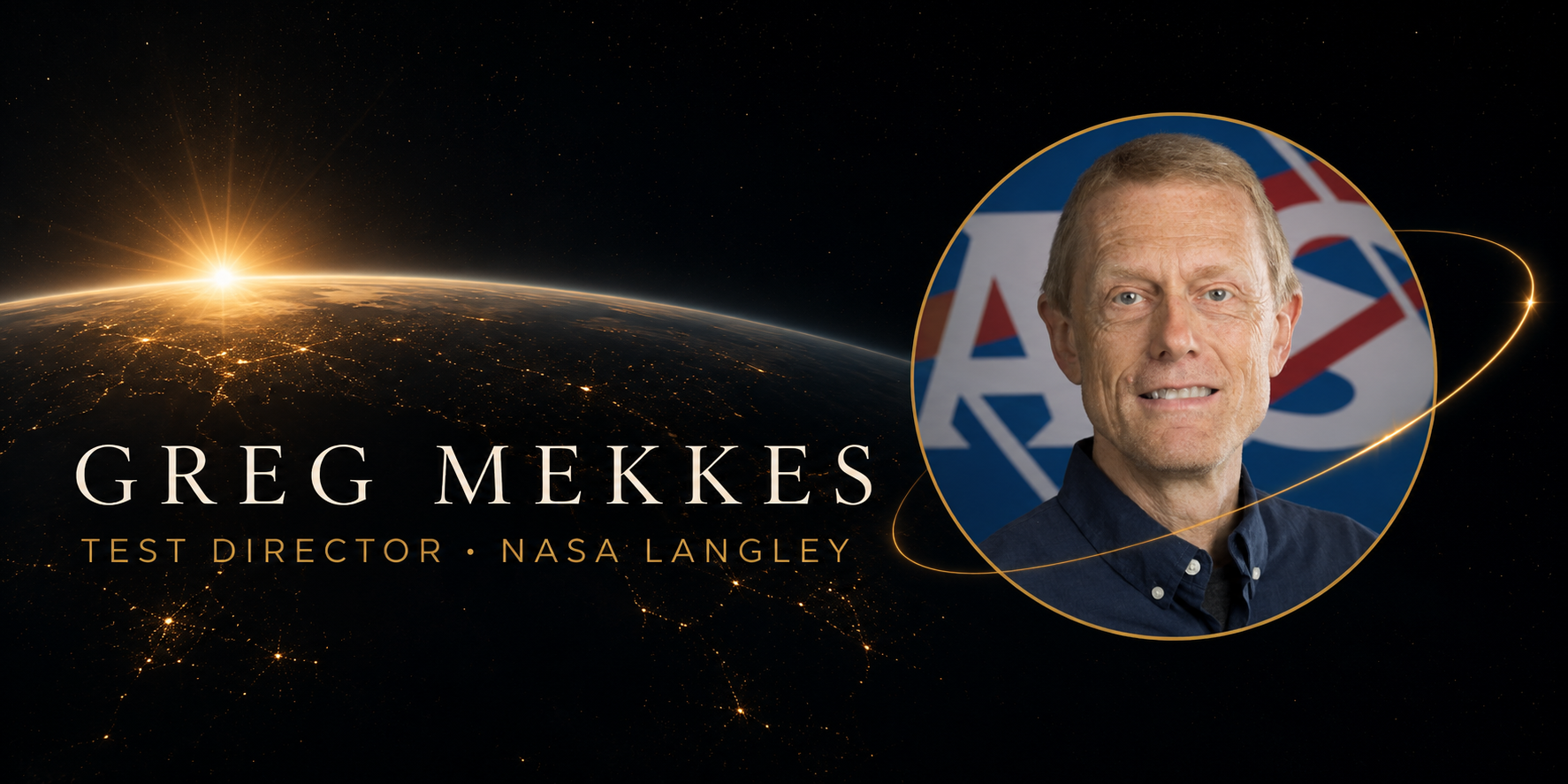
In this 90-minute live conversation, Greg Mekkes and Ruta Kuisyte will explore a different approach to workforce development.
Greg co-founded AiTHENA, Artificial-intelligence Training and Hands-on Experience at NASA. The initiative brought emerging AI and machine learning capability into technical work alongside experienced domain specialists. What began with six participants expanded across multiple NASA centres, helping increase productivity, reduce project timelines, and prepare the workforce for future challenges.
Greg and Ruta will discuss what that looked like in practice, how the model was structured, what each party contributed, and which principles organisations of very different sizes may be able to adapt.
The conversation will look beyond conventional recruitment. It will explore how organisations can bring in people with strong adjacent skills, prepare them properly, involve them in meaningful work alongside experienced teams, and use a structured period of work to build capability and identify potential long-term hires.
This is a conversation, not a lecture. Ruta will bring the realities faced by smaller companies into the discussion, Greg will share and challenge those ideas through his experience with AiTHENA, and the audience will be invited to bring their own workforce blockers into the Q&A.
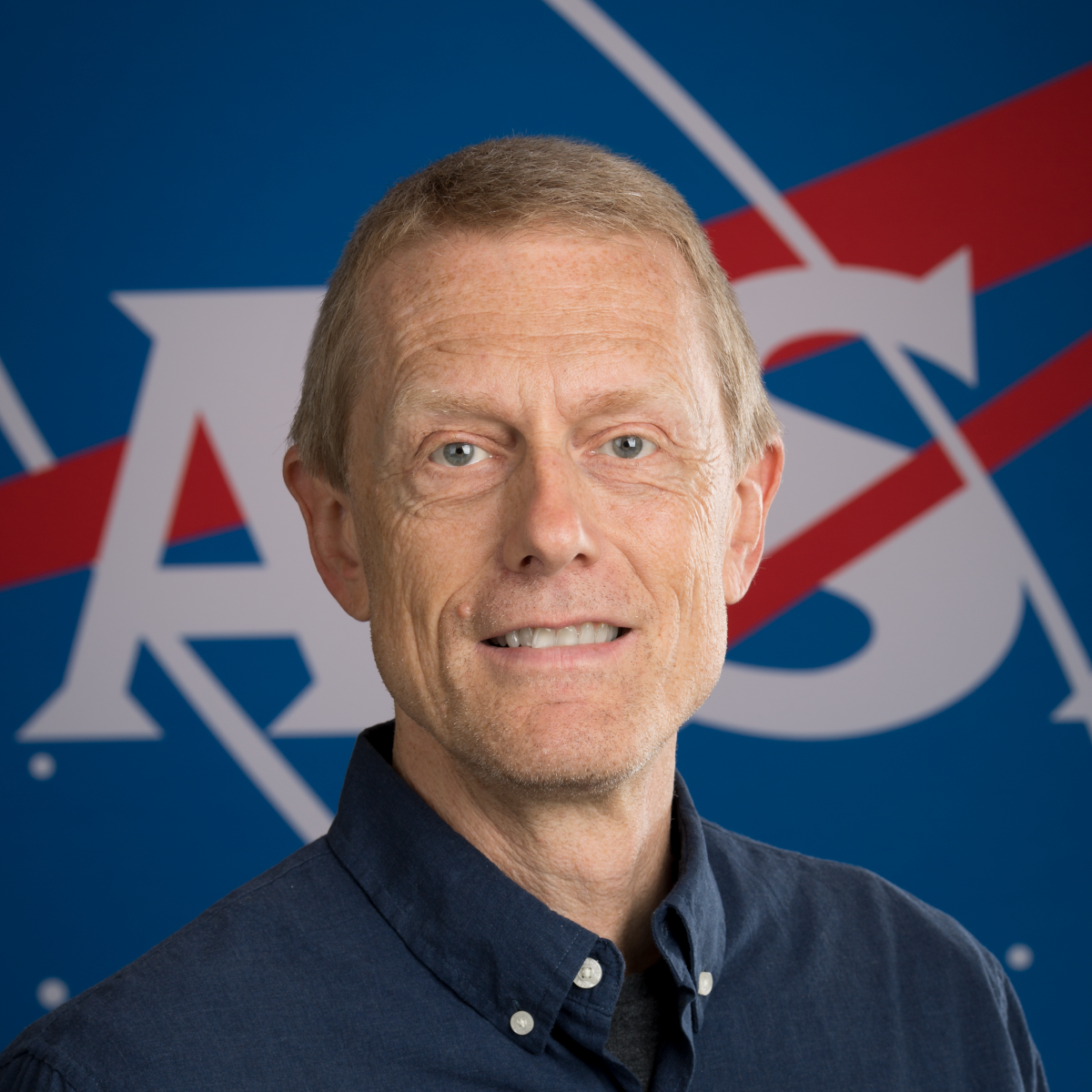
Greg Mekkes went to school at Purdue University and then came to work at NASA Langley Research Center. He worked within a Computational Fluid Dynamics (CFD) applications group in support of the National Aero-Space Plane program and then the Hyper-X program.
Following a project to analyze Shuttle retro rocket rendezvous loads on the Hubble Space Telescope (HST) for a Shuttle-HST servicing mission, he went to work as a Test Engineer at the 16-Foot Transonic wind tunnel and then served as Test Director at the 8-Foot High Temperature Tunnel.
During this time, he co-founded the AiTHENA (Artificial-intelligence Training and Hands-on Experience at NASA) initiative to facilitate implementation and use of artificial intelligence in the federal workforce. This initiative has now expanded to multiple NASA centers and is being used to accelerate research using state of the art artificial intelligence and machine learning tools.

- Why some specialist roles remain difficult to fill even when capable people are interested in the sector
- How AiTHENA brought emerging AI and machine learning skills together with experienced domain specialists
- How the initial six-person cohort was structured and how the initiative expanded across multiple NASA centres
- What the host organisation, mentor, participant, and external coordinating partner each need to contribute
- How people can be prepared and supported before and during a structured period of real work
- How organisations can create meaningful work and learning without requiring every placement to be a separate standalone project
- How this approach can help an organisation build internal capability and gain better evidence about potential long-term hires
- What smaller organisations could adapt from Greg's experience and what would need to be different
- The practical questions around mentor time, supervision, candidate readiness, and organisational capacity
- Open audience Q&A
Approximately one hour of open conversation between Greg and Ruta, followed by a short close from Ruta and audience Q&A. Free to attend and registration is required.
Founders, technical and engineering leaders, hiring, operations, and people leads at SMEs operating in or moving into space, defence, and adjacent deep tech. Cluster, university, public-sector, and wider ecosystem organisations are also welcome.