Home
For OrganisationsPartners
The Mark
The story behind the Deep Tech mark.
THE SPARKFocused knowledge, risingTHE CAPSULEOrion crew capsule silhouetteTHE RINGSaturn. Tokamak. Atom.THE SHIELDAVCOAT heat shieldTHE GLOWReentry - resilience, transformationA vehicle that carries people into uncharted territory.
Origin & meaning

The Deep Tech Education mark is built from the silhouette of the Orion crew capsule - the spacecraft that carried four astronauts around the Moon on NASA's Artemis II mission in April 2026. It's the vessel that takes humanity further than it's been before.

That's the metaphor at the heart of DTE: a vehicle that carries people into uncharted territory.

The cone shape is the Orion capsule in profile - the clean aerodynamic taper from apex to base that has defined every crewed capsule from Mercury to Artemis. The flat base is the AVCOAT heat shield, the 5,000°F-rated thermal protection system that brings the crew home safely.

The arc beneath it represents reentry glow - the plasma sheath that forms as the capsule punches back through Earth's atmosphere. It's a symbol of resilience: going deep, surviving the fire, and coming back transformed.

The gold dot at the apex of the capsule is the point of ignition - the spark of focused knowledge. In the animated version of the mark, it begins at the centre of the capsule - where the crew sits, where the learning happens - and rises to the very top: knowledge ascending, expertise reaching its peak.

The elliptical ring orbiting the capsule's midsection carries three simultaneous references.

It's Saturn's rings - the most iconic image in space science, instantly recognisable, a symbol of the cosmic scale that deep tech operates at.

It's the torus of a tokamak fusion reactor - the magnetic containment field that holds plasma at 150 million degrees, representing breakthrough energy and the kind of civilisation-scale engineering that defines deep tech.

And it's the electron orbital of an atom - the fundamental building block of matter, representing the scientific foundation that all eight of DTE's industry verticals are built on.

One ring. Three meanings. Space, energy, matter - the three pillars of deep technology.

A capsule carrying people into the unknown. A ring representing the science that makes it possible. A spark of knowledge rising to the top.

That's Deep Tech Education in a single mark.

The mark in context
Deep Tech
deeptech.education
Deep Tech
deeptech.education
Mark formats
Primary mark
Favicon
Deep Tech
Compact
Deep Tech
Editorial
Free Live Event

How to Enter the Space Industry in 2026: A Practical Guide for Software and Cybersecurity Engineers
15 July '26 · 7pm UK / 2pm ET / 11am PT · 90 min · Live online

How to Enter the Space Industry in 2026: A Practical Guide for Software and Cybersecurity Engineers event banner
Watch recordingThis event has taken place · the recording is free to watch

The space industry is hiring, but not who you think.

For every rocket engineer, the industry needs many more software engineers, security specialists, and systems people. And it cannot find them.

Meanwhile, thousands of experienced engineers assume space is closed to them because they do not hold an aerospace degree. Both sides are wrong about each other.

You are likely a few months of targeted learning away from a space industry role, not a career restart.

This free event shows you the map. Which roles actually exist. Which of your current skills already transfer. And the two most realistic entry routes for people like you.

You will also hear briefly from a few of the experts who teach on the platform, sharing what they have learned and where they see the field heading.
Headline speaker
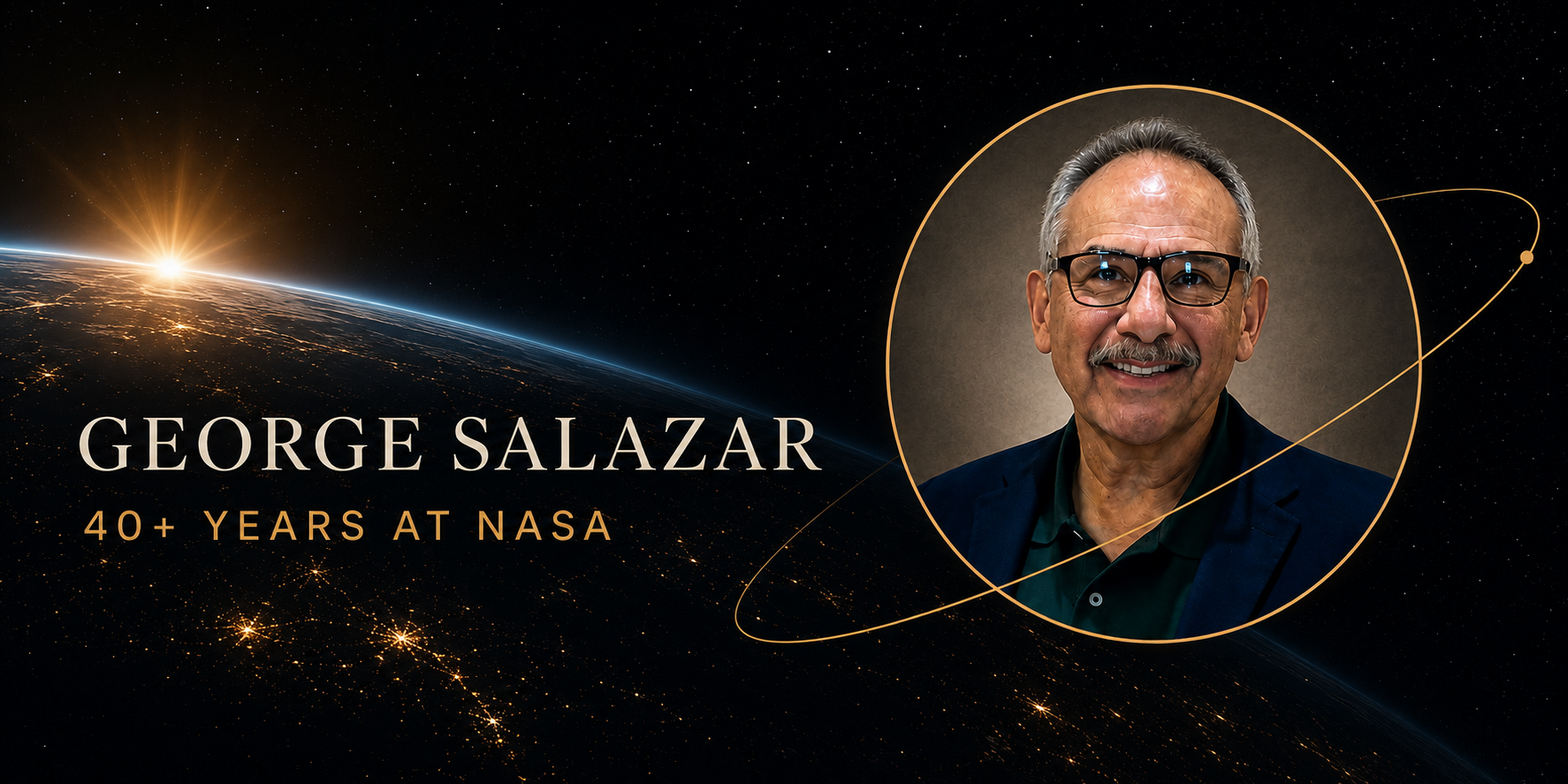
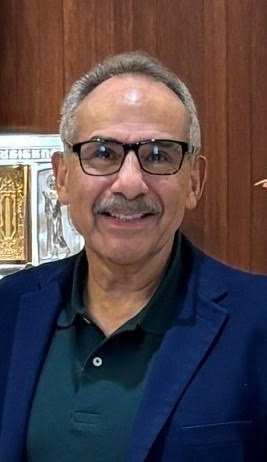
George Salazar, Systems Engineer | 40+ years in human spaceflight, NASA (Retired)
George Salazar
Systems Engineer | 40+ years in human spaceflight, NASA (Retired)

George Salazar recently retired from NASA after more than 40 years in human spaceflight. His work spans the International Space Station, the Space Shuttle, the SpaceX Crew Dragon crew displays, and the Artemis Human Lander interfaces. A licensed professional engineer and INCOSE-certified Expert Systems Engineer, he holds several patents and has spent decades showing that you do not need to start in space to end up building it.

George will share his own route in, what he looked for as a NASA recruiter, why soft skills matter as much as technical ones, and stories from the work itself.

Read George's full profile →
What we will cover
  • The surprising shape of space industry hiring in 2026, and why the roles in demand are not the ones you would expect
  • The role map: real job titles that exist for software and security engineers, and which of your current skills already transfer
  • A headline talk from a 40-year NASA engineer: his own non-traditional route in, what he looked for when recruiting, and why soft skills matter as much as technical ones
  • A few words from experts who teach on the platform, on what they have learned building in deep tech
Format

90 minutes live online via Google Meet, with open Q&A. Free to attend, limited seats.

Who it's for

Software engineers, cybersecurity professionals and anyone else curious about pivoting into space.